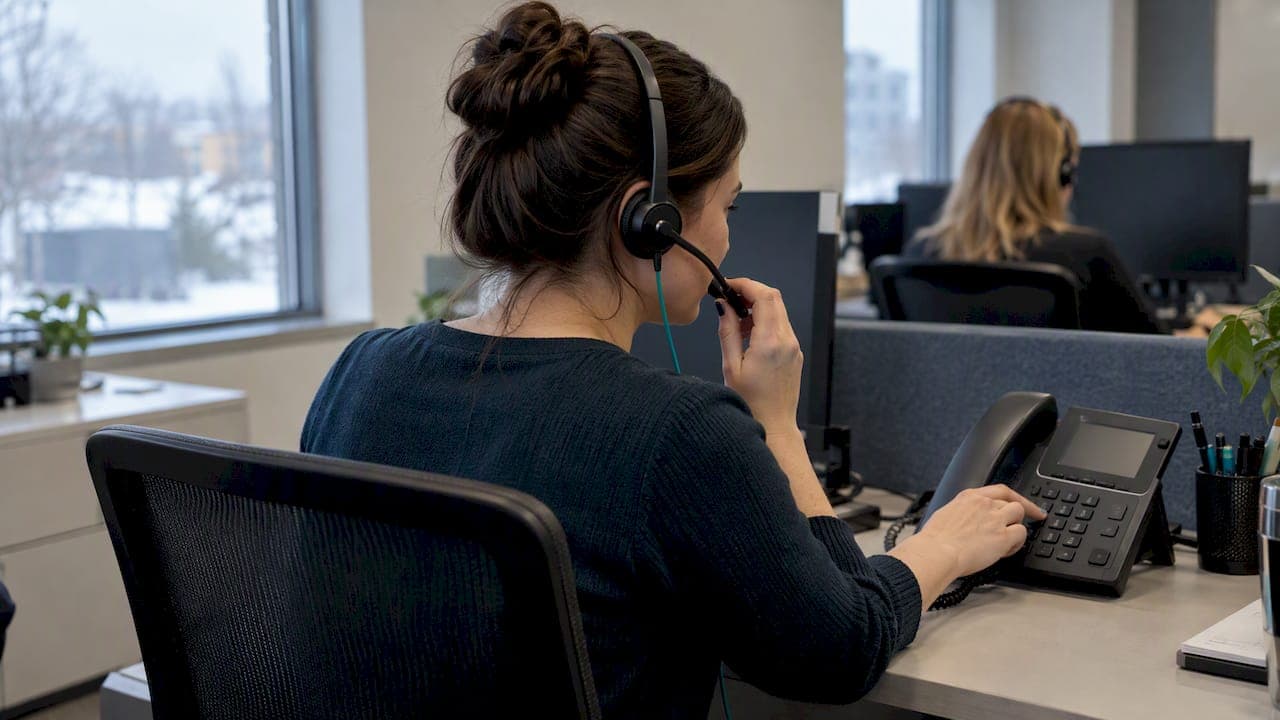
Local presence dialing displays an outbound call with an area code matching the recipient's region so the call looks local, which tends to improve pickup rates. It is a viable tactic for Canadian call centers, but only when the number is genuinely reachable and the practice stays clear of caller ID spoofing rules enforced by the CRTC. Done carelessly, it invites complaints, carrier blocking, and regulatory risk.
TL;DR:
- Genuine ownership and regular rotation of Canadian local DIDs are essential to maintain compliance and avoid carrier filtering or rejection.
- Strict adherence to STIR/SHAKEN authentication, documentation, and regular audits are necessary to prevent call blocking and suppression.
- On-site installation and verification of callback routing improve call deliverability and reduce complaints caused by misconfigured or broken numbers.
- Sending calls from an unverified or spoofed number pattern increases the risk of regulatory violations and increases suspicion among recipients.
- Ongoing monitoring of pickup, abandonment, and complaint rates is crucial to identify early signs of filtering or regulatory issues before penalties occur.
Table of Contents
- What local presence dialing actually means
- What pickup-rate gains really look like
- Canadian rules that govern caller ID and outbound calling
- A compliance checklist for rolling out local numbers
- How on-site installation closes the gaps that cause complaints
- When local presence dialing is worth the risk
- How BusinessVoip.ca supports compliant local-number rollouts
- Where to verify the rules yourself
- Sources
- FAQ
What local presence dialing actually means
Local presence dialing works by matching the outbound caller ID to the recipient's area code, using a pool of local numbers rather than one central line. The legitimacy of the setup depends on what sits behind that number.
- LCID (Local Caller ID) swaps the displayed number based on the area code being dialed, drawing from a real pool of owned numbers.
- CNAM (Caller Name) controls the business name shown alongside the number, which carriers pull from a separate database that is often outdated or mismatched, as explained in why caller name display in Canada isn't always reliable.
- Virtual or local DIDs are dedicated phone numbers tied to a specific area code that route to a real line, distinct from simple spoofing.
In Canada, dialing conventions matter too: most calls require the full +1 plus a 10-digit number, and the leading 1 is typically needed even for local calls in overlay area codes common across Ontario.
What pickup-rate gains really look like
Local presence dialing can lift pickup rates compared to calls from an unfamiliar or out-of-area number, since recipients are more likely to answer something that looks local. That gain is not fixed or guaranteed and tends to shrink as recipients grow wary of area-code matching as a sales tactic.
Pickup-rate behavior shifts as carriers deploy filtering. The CRTC's blocking framework notes that opt-in filtering and STIR/SHAKEN authentication are meant to restore trust in caller ID, which also means unauthenticated or suspicious patterns face a growing chance of being flagged before the phone even rings.
Several factors erode the benefit over time:
- Recipient suspicion rises once an area code is recognized as a telemarketing pattern rather than a neighbor.
- Carrier-level filtering can silently drop or label calls that look like spoofing, even when the business behind them is legitimate.
- Reused numbers burn out fast once flagged, so a pool needs regular rotation and retirement.
- Time-of-day and call frequency affect both pickup and complaint rates, with repeated same-day attempts doing the most damage.
Track pickup rate, abandonment rate, and complaint rate weekly. An abandonment rate above the regulatory limit or a rising complaint count are the clearest early signs that a local presence program needs adjustment before it draws regulatory attention.
Canadian rules that govern caller ID and outbound calling
Local presence dialing sits inside a regulatory framework built to stop deceptive calling, not just block it after the fact. The CRTC's 2016 decision on unsolicited calls identified caller ID spoofing, including number patterns that mimic local numbers, as a driver of nuisance calls and recommended network-level blocking for caller IDs that are blatantly illegitimate.
The Unsolicited Telecommunications Rules add specific operational obligations:
- Telemarketers must display a reachable local or toll-free number, never a disconnected or spoofed one.
- Calls to numbers on the National DNCL are prohibited outside narrow exemptions, such as an existing business relationship.
- Predictive dialers face a 5% abandonment rate cap, measured and logged monthly.
- Call hours are restricted, and records of call attempts and abandonment must be retained.
STIR/SHAKEN, the call-authentication framework Canadian carriers have been rolling out, gives networks a way to flag calls that fail authentication. A campaign built on area-code matching without a verifiable, owned number behind it is exactly the kind of pattern this system is designed to catch.
Pro Tip: Run a weekly audit comparing your outbound answer rate against your call-failure rate. A rising failure rate on area-code-matched numbers often means carrier filtering has started, well before any formal complaint arrives.
A compliance checklist for rolling out local numbers
A local presence program needs the same rigor as any regulated outbound channel. Before dialing a single number, work through these steps.
- Source Canadian DIDs from a provider that documents ownership and keeps provisioning records for every number in the pool.
- Test every callback path so a returned call reaches a live person or a compliant voicemail, never a dead line or third-party trunk.
- Set dialer rules: cap reuse frequency, rotate numbers on a schedule, restrict call windows to permitted hours, and monitor abandonment in real time.
- Confirm STIR/SHAKEN certification with your carrier, detailed in stopping blocked calls from day one, and connect call logging to your CRM for a full audit trail.
- Scrub against the National DNCL before every campaign and retain complaint-handling records.
- Review metrics monthly: pickup rate, abandonment rate, complaint volume, and carrier-flag incidents, pausing any segment that drifts out of range.
Call recording during outbound campaigns carries its own consent requirements, outlined in this guide to call recording laws in Canada, which is worth reviewing alongside your dialer setup.
Pro Tip: Treat callback testing as a recurring task, not a one-time setup step. Numbers that worked at launch can quietly stop routing correctly after a carrier change or a missed invoice.
How on-site installation closes the gaps that cause complaints
A local presence program only works if the infrastructure behind it is solid, which is where installation quality matters more than most call centers expect. Some providers design, program, and install phone systems on-site for businesses, which helps ensure numbers in a local dialing pool are tested and verified before use.
- On-site design and programming means callback routing is checked in person, not assumed to work from a configuration file.
- Verified voicemail paths and live-person routing reduce the risk of a recipient calling back into a dead line, a common source of complaints.
- Fixed pricing with no annual increases keeps the cost of maintaining a compliant number pool predictable.
- A lifetime warranty on rented phones means hardware failures do not become the reason a callback goes unanswered.
Faster on-site troubleshooting also means a misrouted number gets caught and fixed the same day, rather than sitting broken for weeks while complaints accumulate.
When local presence dialing is worth the risk

Local presence dialing earns its place in a Canadian call center's toolkit only as a controlled pilot, not a blanket rollout. Start with a small, dedicated pool of owned local DIDs, measure pickup and complaint rates weekly, and only expand once both numbers hold steady.
Choose dedicated local DIDs over simple area-code matching whenever the campaign runs at any volume: owned numbers survive scrutiny that spoofed patterns do not. Treat a carrier warning, a sustained rise in complaints, or any sign of call blocking as a stop signal, not a reason to rotate numbers faster.
— James
How BusinessVoip.ca supports compliant local-number rollouts
Running local presence dialing well starts with infrastructure that does not create its own problems, and that is the gap an on-site Ontario installer closes. BusinessVoip.ca's local team designs, programs, cables, and installs the full phone system in person, so every outbound number and callback path is tested before your team ever relies on it.
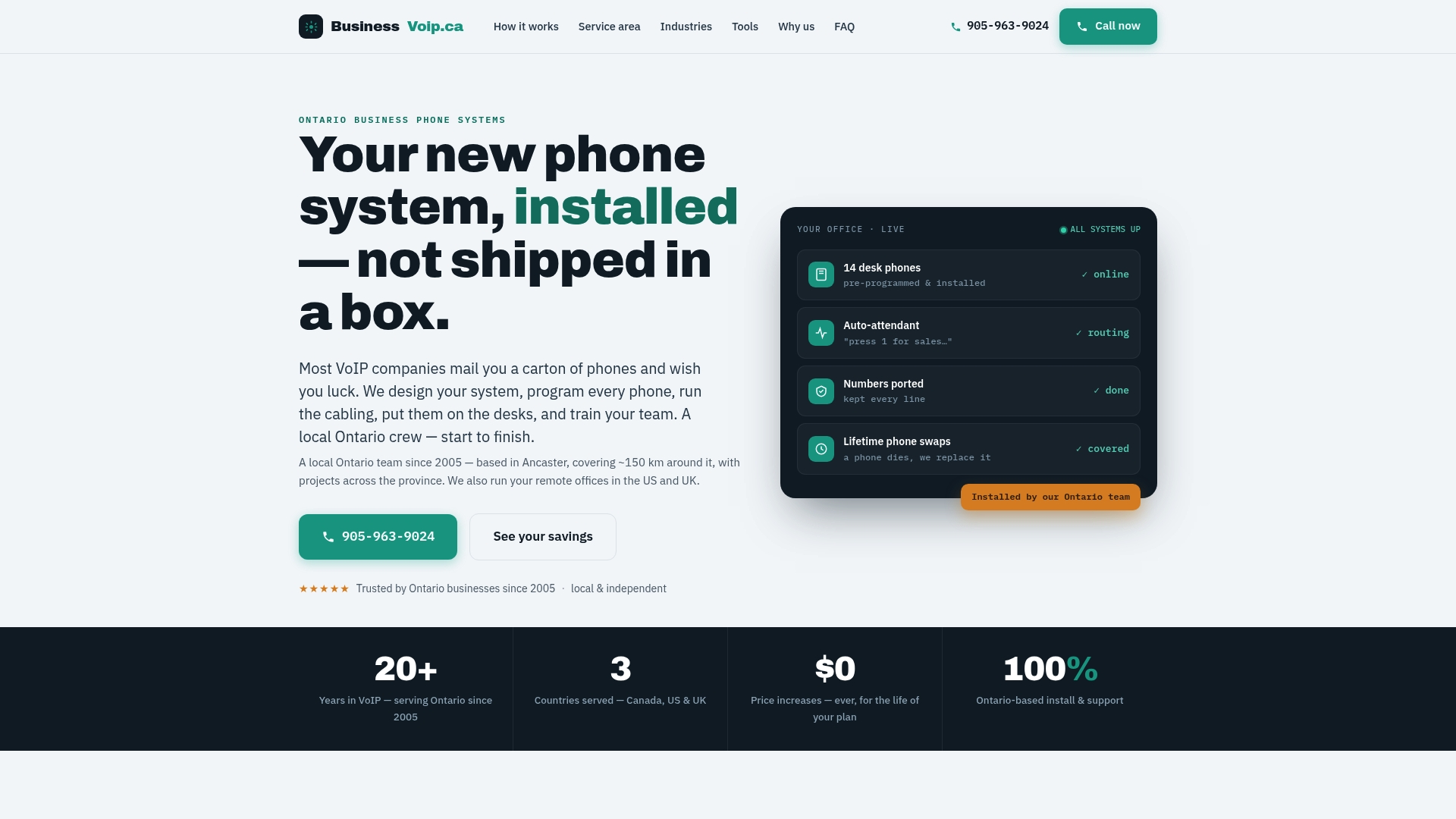
- On-site provisioning services offered within a specific regional area, with the possibility of handling larger projects more broadly.
- Pricing plans may be fixed to help avoid surprise cost increases as number pools grow.
- Warranty coverage on rented phones can reduce the risk of hardware failure causing missed callbacks.
- Support for multi-site operations and remote offices may assist call centers with outbound programs across multiple locations.
If your outbound program needs number infrastructure that holds up to CRTC scrutiny and customer trust alike, request a compliance review of your current setup through Businessvoip page.
Where to verify the rules yourself
For the current regulatory text, go straight to the source. The 2016 CRTC decision covers spoofing and blocking policy, the Unsolicited Telecommunications Rules set DNCL and dialer obligations, and the CRTC's telemarketing and DNCL page handles business registration.
FAQ
Is Canada a +1 or 001 country code?
Canada uses the +1 country code, shared with the United States and other North American Numbering Plan countries. When dialing internationally into Canada, callers dial the exit code for their own country followed by 1 and the 10-digit number.
Do I need to dial 1 before the area code in Canada?
Most of Canada now requires 10-digit dialing, meaning you dial 1 plus the area code even for local calls, especially in regions with overlay area codes. Check with your carrier or VoIP provider if a specific area code still allows shorter dialing, since this varies by region.
Can I get a virtual phone number for Canada?
Yes, Canadian businesses can obtain virtual or local DID numbers tied to a specific area code through a VoIP provider, which route to an existing phone line or system. These numbers support local presence dialing when they are genuinely owned, documented, and tested rather than spoofed.
Does *67 work in Canada?
Dialing a prefix before a number can block caller ID for that call in most of Canada, though the recipient's carrier may still display the number if they subscribe to anonymous call rejection. This feature affects personal caller ID privacy and is separate from the caller ID display rules that apply to business telemarketing under the Unsolicited Telecommunications Rules.