If you run a VoIP phone system for your Canadian business, the short answer is this: your provider must give you access to 9-1-1 (enhanced where the network allows it) and must tell you plainly where that access falls short. That's the CRTC rule, and it's non-negotiable.
How that call actually gets located depends on what kind of VoIP you have. Fixed/native VoIP tied to a specific address can support enhanced 9-1-1 with automatic location data (ALI/ANI) routed straight to the right Public Safety Answering Point. Nomadic VoIP, the kind that travels with a laptop or softphone, leans on verbal confirmation first and your registered service address as the fallback if the call drops.
Before you trust your system in an emergency, get three things in writing from your provider:
- Which routing solution they use for 9-1-1 calls and whether it goes through an intermediary call center
- How you update your registered service address when staff move or offices change
- What happens to 9-1-1 access during a power or internet outage
Pro Tip: Ask for the exact CRTC-required disclosure text your provider gives new customers. If they can't produce it immediately, that's a red flag worth escalating. A provider like BusinessVoip.ca that installs on-site can configure and document these details as part of setup rather than leaving you to chase them down later.
Key Takeaways
A compliant VoIP 9-1-1 setup in Canada requires provider disclosure, an accurate registered address, and a documented outage plan, and none of that happens automatically.
| Point | Details |
|---|---|
| Confirm provider disclosure | Request the CRTC-required 9-1-1 limitation notice in writing before you sign. |
| Know your VoIP type | Fixed/native, fixed/non-native, and nomadic VoIP each handle location differently. |
| Keep your address current | Update your registered service address every time staff or offices move. |
| Plan for outages | Battery backup or PSTN fallback keeps 9-1-1 working when power or internet fails. |
| Choose an on-site partner | BusinessVoip.ca documents address provisioning, routing, and training during installation. |
Table of Contents
- What On-Site Installers Actually Verify for 9-1-1
- Get Your E9-1-1 Setup Verified in Writing
- Where to Verify the Rules Yourself
- Sources
What On-Site Installers Actually Verify for 9-1-1
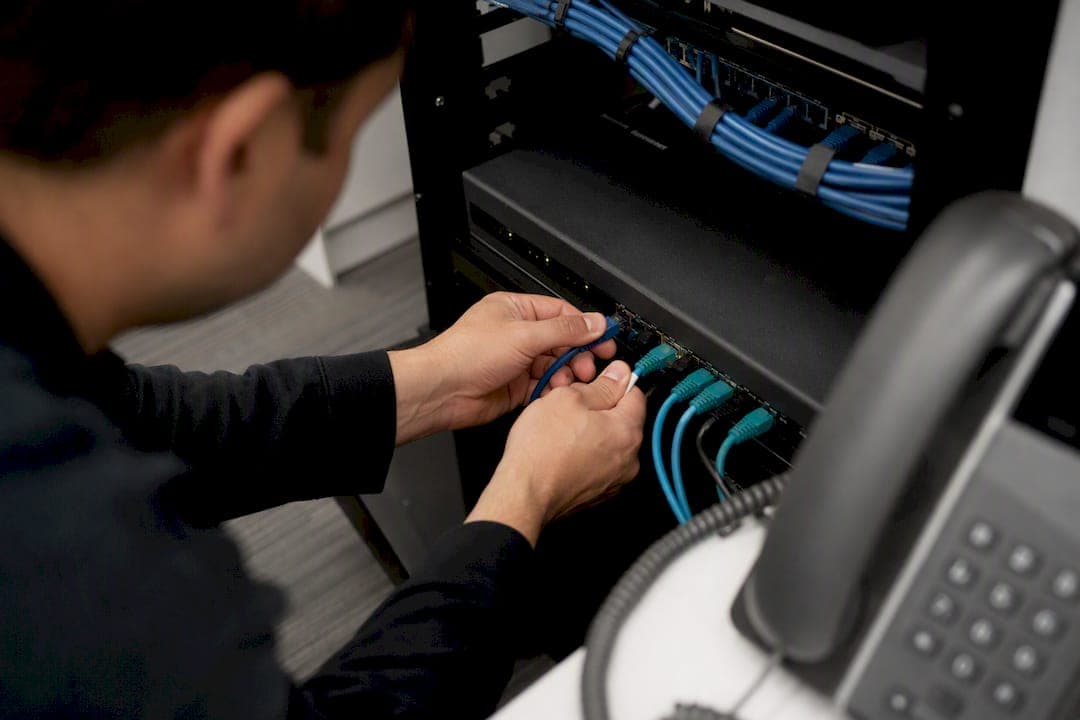
Working inside Ontario offices for two decades teaches you where 9-1-1 setups quietly fail: an address that never got updated after a move, or a phone system nobody re-registered after a renovation. On-site installers provision ALI/ANI records where the network supports it and confirm the registered address matches the real one, not the billing address from three offices ago.
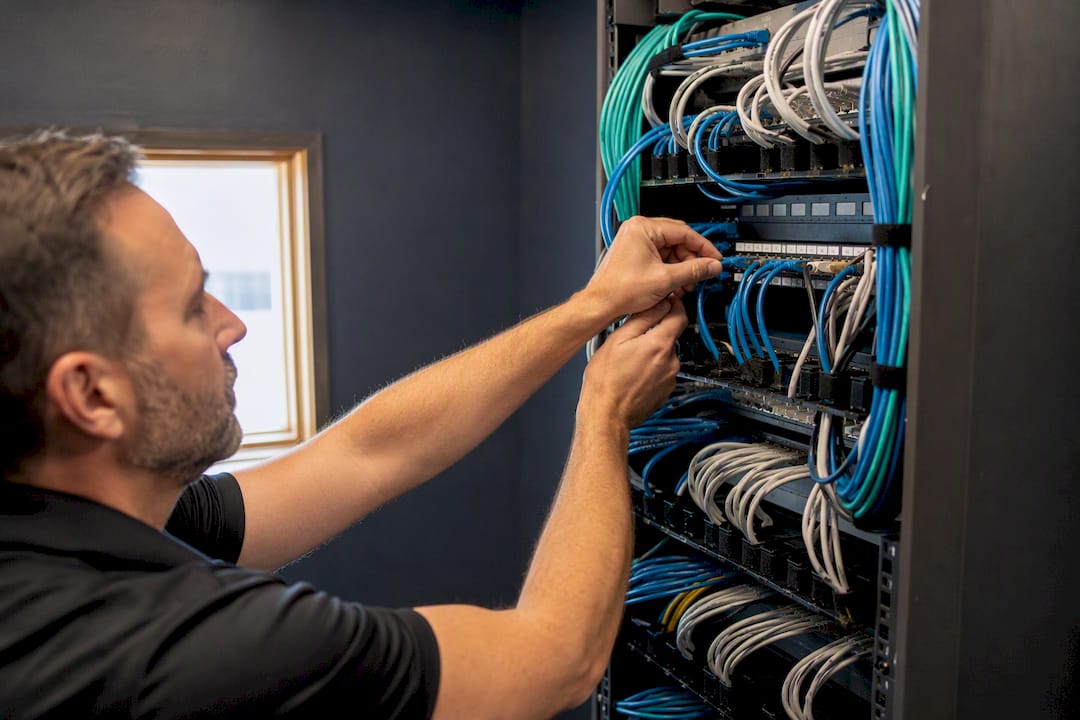
The verification list is short but non-negotiable. Ask for the provider's written 9-1-1 disclosure. Ask what routing solution handles your calls and whether an intermediary call center is involved, including bilingual contingency plans. Then put all of it in your service agreement, not just an email thread, and schedule a test call review every few months.
Get Your E9-1-1 Setup Verified in Writing
BusinessVoip.ca is the alternative to guessing whether your phone system actually meets CRTC obligations. Instead of shipping you a box of IP phones and a login, our Ontario team installs on-site, confirms your registered service address is accurate, and documents your provider's 9-1-1 routing and disclosure terms directly in your service agreement, not buried in fine print you never read.
That matters most for businesses with mobile staff, multiple offices, or locations that change often. A multi-site or remote-office deployment needs someone tracking which address is registered where, and a property management operation juggling several sites has the same exposure. We build outage contingency planning, staff training on verbal location confirmation, and SLA language covering your 9-1-1 routing into the install itself. If you want a straight answer on where your current system stands, start a phone system design review and we'll walk through what needs fixing before it becomes a problem in an actual emergency.
Where to Verify the Rules Yourself
Don't take any provider's word for it. The CRTC publishes the actual rules, and a few pages cover almost every question a Canadian business needs answered:
- 9-1-1 Obligations of Local VoIP Service Providers covers what providers must disclose and when.
- 9-1-1 services for traditional wireline, VoIP and wireless explains the technical differences between service types.
- Next-generation 9-1-1 in Canada lays out the NG9-1-1 transition and what it means for future emergency calling.
- The 2024 staff letter on NG9-1-1 deadlines shows onboarding progress is uneven across providers, so ask specifically where yours stands.
- For continuity planning beyond 9-1-1 itself, business continuity guidance for SMEs is worth a read alongside your VoIP outage plan.
If you'd rather have someone walk your current setup against these rules line by line, request an on-site audit from BusinessVoip.ca and get a written answer instead of a guess.
Sources
- 9-1-1 Obligations of Local VoIP Service Providers in Canada | CRTC
- 9-1-1 services for traditional wireline, VoIP and wireless | CRTC
- Next-generation 9-1-1 in Canada | CRTC
- Staff letter re: new deadlines for Canada’s transition to NG9-1-1 | CRTC